|
The Curragh
|
History - Information - Contacts |
|
|||
|
|||
|
|||
|
|||
|
|||
|
|||
|
Curragh Military Cemetery |
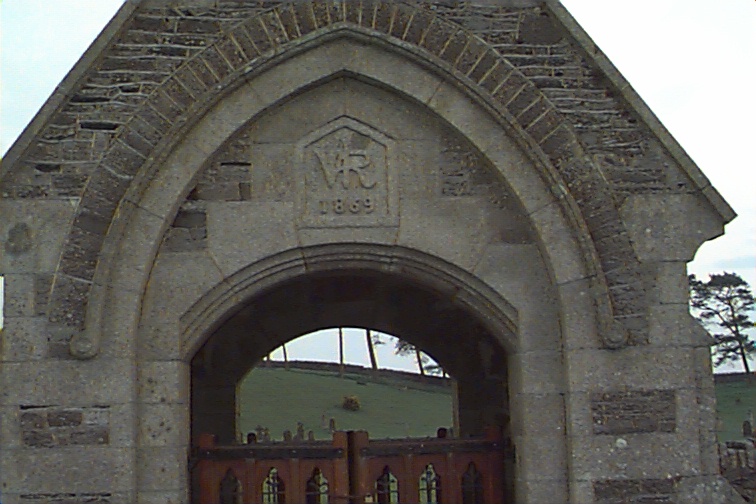
Not long after the temporary encampment was established on the Curragh, it was clear to the Camp planners that an cemetery would be needed for the deceased occupants, so a suitable site had to be selected close to the camp. Instructions were sent from Army Headquarters in Dublin that advice should be sought from the rector of Ballysax and the clergyman in the camp, and from the Curragh Ranger and with help from the Royal Engineers. |
|
|
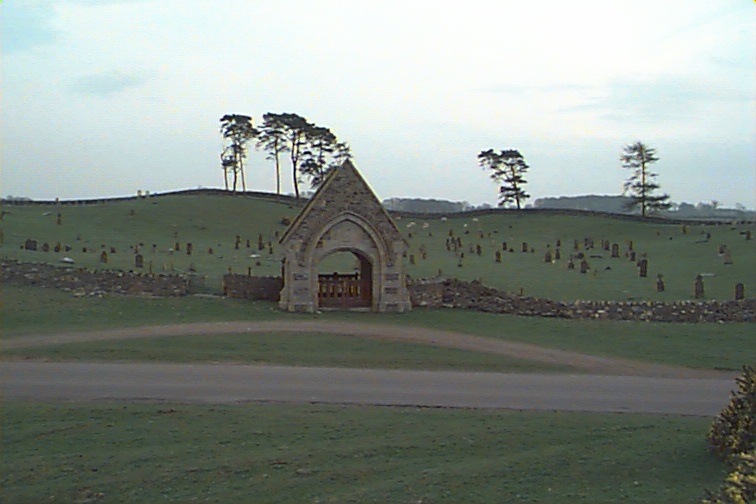
Capt. Rich, Royal Engineers thought that an old foxcovert near the camp could be cleared and establish the cemetery there, but Lord Seaton, the General Commanding in Ireland, suggested that it would be better to select a site close to the rector's house in Ballysax where it could be supervised and maintained. However it's present location was finally decided, the site would be on the north-east side of the plains close to Walshestown. |
 |
|
|
So on the 14 October 1869 the Archbishop of Dublin, Richard Chenevix, Primate and Metropolitan of Ireland and Bishop of Glendalough and Kildare, issued the Act of Consecration for the burial place of the military encampment of Her Majesty's Forces stationed on the Curragh of Kildare. |
|
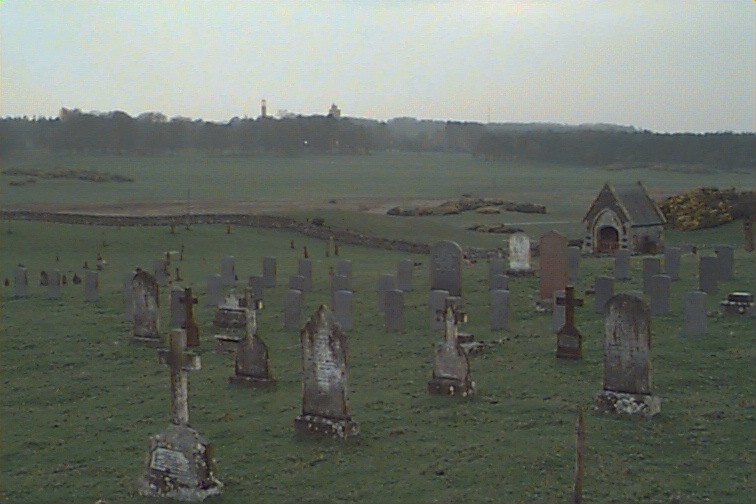
For the next fifty years Military funerals with their bands and final volleys of shots rang out over the Curragh plains in respect for their deceased comrades. But not only Military funerals took place here as the families of the military were also buried here and the gravestones record the short lives of the men and their families. The early demise of so many is also indicative of the state of medical science at the time. |
|
| Leinster Express Article 1869: http://www.curragh.info/archives/NewCemetery1869.pdf | |